Corporate Newsletter Strategy: Winning Plans for 2026
13 November 2026 · 5 min read
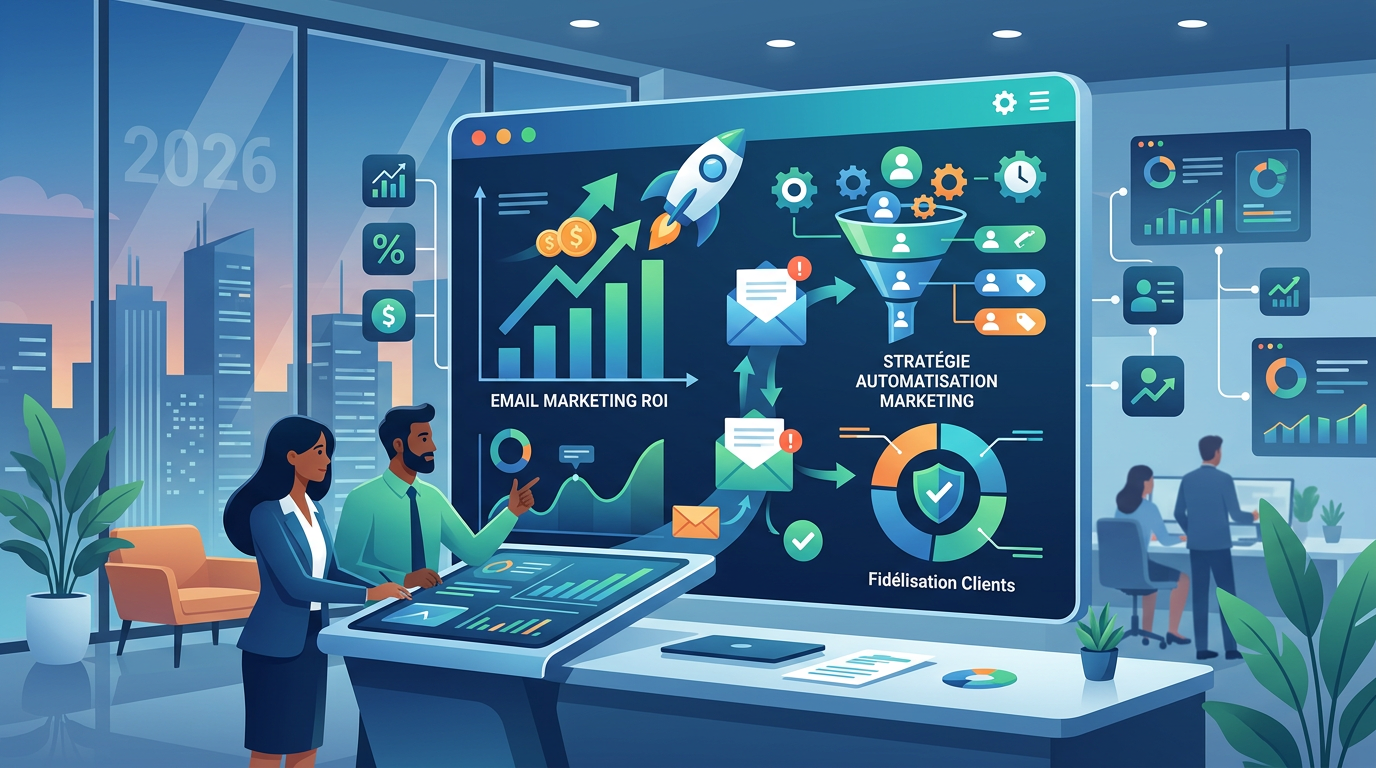
In an era dominated by algorithmic volatility and shifting privacy standards, email remains the most resilient digital asset for businesses. Crafting an effective stratégie newsletter entreprise (corporate newsletter strategy) in 2026 requires moving beyond generic broadcasts to deliver hyper-relevant, automated, and value-driven editorial experiences.
A successful corporate newsletter strategy in 2026 relies on dynamic personalization, AI-driven marketing automation, and strict audience segmentation. By focusing on predictive content and community value, companies can significantly elevate both fidélisation client (customer retention) and overall ROI e-mailing.
1. The Core Pillars of a Winning Stratégie Newsletter Entreprise for 2026
Modern corporate communications require a shift from volume-based distribution to value-centric publishing. To build a robust stratégie newsletter entreprise, organizations must treat their newsletter as a standalone editorial product rather than a simple sales catalog.
Subscribers in 2026 demand immediate relevance and deep industry perspective. Companies that succeed establish clear content pillars, reliable sending cadences, and distinct brand voices that differentiate them from algorithmic social feeds.
Key Editorial Foundations
- Authority and Thought Leadership: Share proprietary data, executive commentary, and unique market research.
- Curated Intelligence: Save your readers time by synthesizing complex industry trends into actionable insights.
- Reader Utility: Include templates, checklists, and direct frameworks that subscribers can apply immediately.
2. Leveraging Advanced Marketing Automation for Hyper-Personalization
Static email campaigns are no longer viable in competitive B2B and B2C landscapes. Today, advanced marketing automation platforms leverage machine learning to deliver dynamic content modules tailored to individual subscriber behavior.
Instead of sending the same layout to your entire database, automated engines adjust content blocks based on purchase history, content engagement, and lifecycle stages. This ensures every contact receives messaging aligned with their specific intent.
- Predictive Send-Time Optimization: Deliver emails when individual recipients are historically most likely to open.
- Dynamic Content Blocks: Swap case studies and product updates based on vertical or job seniority.
- Trigger-Based Nurturing: Re-engage contacts immediately after specific digital touchpoints or dormant periods.
3. Maximizing ROI E-mailing Through Strategic Segmentation
Email continues to generate one of the highest returns across digital channels. However, achieving superior ROI e-mailing requires strict database hygiene and micro-segmentation rather than massive list blasting.
Segmenting your subscribers by engagement level and commercial intent reduces unsubscribe rates and prevents deliverability degradation. Maintaining a clean list directly impacts inbox placement with major email service providers.
- Engagement Tiers: Separate active daily readers from quarterly skimmers to tailor frequency.
- Lifecycle Mapping: Align newsletter touchpoints with prospect education, onboarding, or renewal cycles.
- Deliverability Audits: Regularly scrub inactive addresses to maintain high sender reputation scores.
4. Driving Fidélisation Client and Long-Term Retention
Acquiring new customers is substantially more expensive than retaining existing ones. A structured newsletter is a premier vehicle for sustainable fidélisation client (customer loyalty and retention), keeping your brand top-of-mind without aggressive sales pitches.
By providing ongoing education, product mastery tips, and exclusive customer-only perks, newsletters transform transactional buyers into brand advocates. Consistency builds trust, which directly reduces annual churn rates.
- Exclusive Insights: Provide newsletter subscribers early access to product releases or executive roundtables.
- Customer Spotlights: Celebrate client milestones and showcase peer use-cases within your community.
- Feedback Loops: Use embedded one-click polls and response prompts to gauge customer satisfaction continuously.
5. Modernizing Communication Interne: The In-House Newsletter
A corporate newsletter strategy is not solely an external marketing tool; it is equally vital for high-performing communication interne (internal communication). As hybrid and distributed work models become the standard, internal newsletters unify company culture.
Internal newsletters must replace dry administrative memos with engaging storytelling. Highlighting cross-departmental wins, leadership transparency, and strategic roadmaps boosts employee alignment and morale.
- Executive Transparency: Brief updates from leadership on business performance and vision.
- Peer Recognition: Public shout-outs for team achievements and project milestones.
- Resource Hubs: Consolidated links to essential company tools, benefits, and operational updates.
- Treating the newsletter as an aggressive sales channel instead of an educational asset.
- Neglecting sender reputation by purchasing lists or failing to remove invalid addresses.
- Inconsistent publishing schedules that erode subscriber expectations and brand recall.
- Over-designing emails with heavy assets that trigger spam filters or break on mobile devices.
- Audit your existing subscriber database and prune all contacts inactive for over six months.
- Define three dedicated content pillars that address common customer challenges.
- Configure dynamic segments based on subscriber industry, persona, and past click behaviors.
- Establish weekly tracking for open rates, click-to-open ratios, and list growth metrics.
- HubSpot State of Marketing Report | https://www.hubspot.com
- Litmus State of Email | https://www.litmus.com
What is the optimal sending frequency for a corporate newsletter?
For most B2B and corporate environments, a bi-weekly or weekly frequency delivers the best balance of consistent brand presence without fatiguing your subscriber base.
How can companies protect email deliverability in 2026?
Protect deliverability by authenticating your domain (SPF, DKIM, DMARC), maintaining strict list hygiene, providing clear unsubscribe mechanisms, and focusing on high-engagement content.
How do you measure the financial return of an editorial newsletter?
Measure financial return by tracking direct conversions, assisted pipeline revenue, customer retention rates, and content-assisted renewals alongside standard metrics like click-to-open rates.